Why soil health determines the future of agriculture and how we can monitor it: soil biodiversity, the Italian QBS index and the agronomic practices that support it.
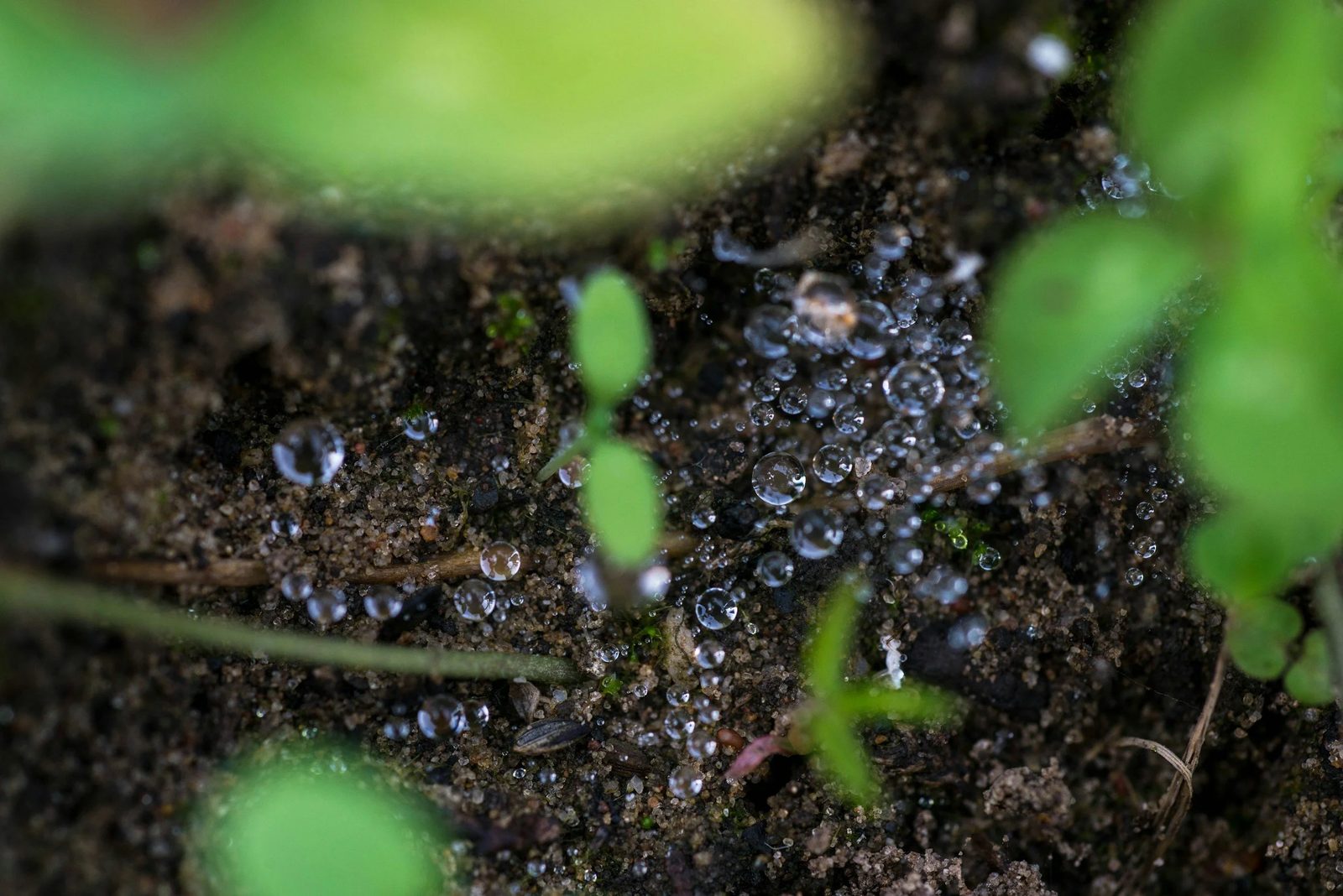
Why soil health determines the future of agriculture and how we can monitor it.
When we think of biodiversity, we rarely consider that the planet's largest reservoir of life lies beneath our feet: the soil.
A gram of agricultural soil contains up to a billion bacteria, several metres of fungal hyphae, thousands of protozoa and dozens of nematodes. This community of organisms, from viruses to earthworms, sustains all life on land and our ability to produce food.
According to the EU's Joint Research Centre, at least 63% of European soils are degraded (EU Soil Observatory, 2024). The loss of soil biodiversity threatens global food security.
What is soil biodiversity?
It is the variety of life underground: from genes to species, from communities to ecosystems (FAO et al., 2020). Soil is not an inert substrate, but an ecosystem in which billions of organisms interact, creating the conditions for plant growth.
Critical functions of soil biodiversity:
- Nutrient cycling and organic decomposition
- Soil structure and porosity
- Water regulation
- Control of pathogens and pests
- Carbon sequestration
Who lives in the soil?
Soil organisms are classified by size:
Microbes (20 nm – 10 μm): viruses, bacteria, archaea, microscopic fungi. Primary decomposers. Bacteria fix nitrogen and solubilise phosphorus. Fungi break down lignin and cellulose, form mycorrhizae and structure the soil.
Microfauna (10 μm – 0.1 mm): protozoa and nematodes. Predators of bacteria and fungi, they regulate microbial populations.
Mesofauna (0.1–2 mm): mites, springtails, insect larvae. They form microaggregates and transform organic matter.
Macrofauna (2–20 mm): earthworms, isopods, ants, termites, beetles. They are the ecosystem's "engineers": they increase permeability and aeration and create habitats.
Megafauna (over 20 mm): vertebrates that create heterogeneity in the soil profile.
Plants, through root exudates, actively "recruit" beneficial microorganisms. Practices such as intercropping modify these exudates, promoting useful microorganisms (Latati et al., 2017; Wang et al., 2021).
The QBS index: an innovative Italian approach
For decades soil quality was assessed only with physical and chemical indicators: pH, organic matter, nutrients. But this gives only a partial snapshot. Biological monitoring is needed to properly assess soil health (Parisi et al., 2004).
In Italy the QBS index (Qualità Biologica del Suolo, or Soil Biological Quality) was developed, based on edaphic microarthropods (Parisi, 2001).
The method rests on a clear principle: the higher the soil quality, the greater the number of microarthropod groups well adapted to the edaphic habitat. These organisms show specific morphological adaptations: reduced pigmentation and eyesight, a slender shape, reduced appendages, lower water retention.
Each group receives a score from 1 to 20 (eco-morphological index, EMI) according to its adaptation:
- Eu-edaphic forms (deep): EMI = 20
- Hemi-edaphic forms (intermediate): proportional EMI
- Epi-edaphic forms (surface): EMI = 1
The QBS value is the sum of the EMIs of all the groups present.
Advantages of the method:
- Does not require species identification
- Quick and inexpensive
- Sensitive to management practices
- Correlated with beneficial soil functions
Comparative studies show that woodlands have QBS values of 140–188, shrublands 120–152, arable land 67–100. QBS has a significant negative correlation with disturbance intensity (r² = 0.83, P < 0.01). Some Italian regional environmental protection agencies (ARPA) have already integrated QBS into their monitoring programmes (Parisi et al., 2005).
Agronomic practices and biodiversity
Agronomic practices can significantly influence biodiversity. Below are those considered most influential.
Conservation tillage (minimum/no-tillage): reduces disturbance, increases microbial biomass, improves infiltration, reduces erosion and favours carbon sequestration (Lal & Kimble, 1997; Luo et al., 2025).
Intercropping: increases organic carbon by 4% ± 1% in the top 20 cm (Cong et al., 2015), improves physical structure with yield increases of 22% (Li et al., 2021) and regulates microbial communities. For more on this practice, read the article on intercropping on our blog.
Rotations and crop diversity: they influence the microbiome through the production of different root exudates, break pathogen cycles and return to the soil crop residues with varying C:N (carbon to nitrogen) ratios.
RUMA and soil biodiversity: the iCOSHELLs project
Through its participation in the European project iCOSHELLs (Horizon Europe), RUMA has the opportunity to identify and promote agricultural practices able to improve soil biodiversity in mountain contexts. Activities include monitoring, experimentation and sharing objectives among farmers, researchers and stakeholders, with the aim of putting the results into practice. To learn more, visit the iCOSHELLs project website.
Conclusions
Soil biodiversity determines our ability to produce food, sequester carbon and maintain ecosystem resilience. In an age of climate change and food pressure, protecting it is a strategic necessity.
The tools exist, from QBS to biochemical methods. The practices are known: conservation tillage, rotations, intercropping, organic inputs. What is needed is the will to implement them on a large scale.
The future of agriculture starts from the soil. The future of the soil depends on the choices we make today.
Scientific sources: EU Soil Observatory, 2024; FAO et al., 2020; Parisi et al., 2004; Parisi et al., 2005; Parisi, 2001; Latati et al., 2017; Wang et al., 2021; Lal & Kimble, 1997; Luo et al., 2025; Cong et al., 2015; Li et al., 2021.
- Biodiversity
- Soil
- QBS
- iCOSHELLs