What soil is, how it forms, what functions it performs and which practices help protect and regenerate it, as Europe works on a soil monitoring directive.
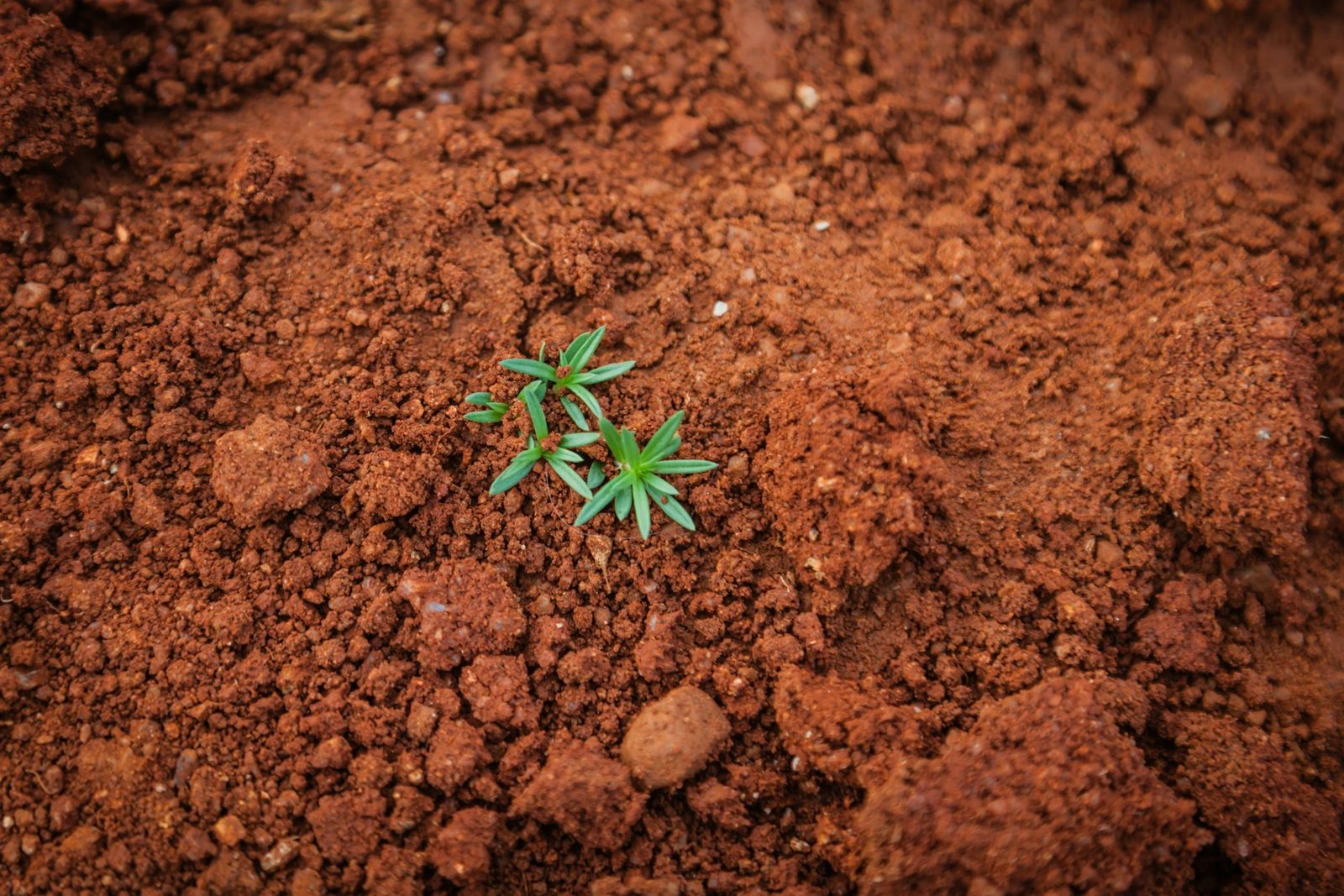
Soil is one of the most precious assets on earth, yet it is often taken for granted. As highlighted by the European Soil Charter of 1972 and reiterated by the European Parliament ahead of the new directive, expected in 2026, soil "makes possible the life of plants, animals and humans on the surface of the earth". But what makes this resource so fundamental for our future?
A concrete emergency
Recent data are alarming. According to Il Sole 24 Ore (October 2025), the area of Italian territory at risk of instability has grown by 15%. In Trentino, the ISPRA 2024 Report reveals that 16% of the valley floor is now sealed, with serious problems of water absorption. Paradoxically, while the population is falling, land take keeps increasing.
The recent European Parliament Resolution of 23 October 2025 for a Directive on soil monitoring and resilience underlines the urgency of tackling this crisis. As emerged at the Fondazione Fresh conference held at the Unitec Campus, soil health is indispensable for quality agricultural production, which is threatened by intensive practices, repeated same-crop cultivation and the prolonged, repeated use of mineral fertilisers.
A dynamic system
Soil is not simply "earth". It is the result of a millennia-long process called pedogenesis, determined by the interaction of five fundamental factors:
- Climate: temperature and humidity shape chemical and biological processes
- Living organisms: an incredible biodiversity of plants, fungi, bacteria and animals
- Position: slope, aspect and lie of the land
- Lithology: the parent rock from which everything originates
- Time: the millennia needed for its formation
The five main functions of soil
Soil is not only a support for agriculture. It performs five functions essential to life on Earth:
- Ecological: hosts an extraordinary biodiversity, invisible but fundamental
- Productive: the basis of human nutrition and a source of raw materials
- Settlement: the physical support for our infrastructure
- Protective and regulating: stabilises slopes, filters pollutants and captures 20% of anthropogenic carbon
- Historical and cultural: a defining element of the landscape and a cultural heritage
The challenges of agriculture today and tomorrow
Agricultural soil faces multiple threats: erosion, loss of organic matter, compaction, salinisation, accumulation of pollutants and sealing by concrete. Climate change adds further pressure with more frequent heatwaves and the resulting aridity and loss of vitality, changes in rainfall and a lengthening of the active part of crops' phenological cycle.
Concrete solutions to reverse the trend
There are concrete practices to protect and regenerate our soils:
- Cover crops: constant protection of the soil throughout the year
- Returning biomass: mulching and incorporating pruning residues
- Conservation agriculture: reduced tillage (no-till or minimum tillage)
- Organic matter inputs: improve infiltration, porosity and water retention capacity
- Precision agriculture: fertigation and targeted analysis of physical and chemical parameters
- Intercropping with legumes: to enrich the soil with nitrogen naturally
What are we doing?
At RUMA we believe that knowledge is the first step towards protection.
This is only the beginning of a journey of discovering soil. In the coming articles we will explore in more detail the innovative techniques for its protection and regeneration.
Sources: European Soil Charter, Council of Europe, 1972; ISPRA Report 2024, Italian Institute for Environmental Protection and Research; European Parliament legislative resolution, 23 October 2025; Fondazione Fresh conference, Campus Unitec E.R., 27 October 2025.
- Soil
- Land take
- Erosion
- Agriculture